
Vermont has banned the disposal of all battery types in the trash. Many types of batteries contain hazardous materials and may become hazardous waste when disposed of improperly.
Please bring them to the scale house upon arrival. Most battery types are accepted at WSWMD for recycling, except for EV & E-bike batteries and larger solar panel lithium batteries.
When storing batteries at home, please keep your button batteries separated from your lithium batteries. Lithium (rechargeable) batteries should be taped on the end to avoid any battery sparks. Button batteries can be kept in a Ziploc bag or jar separate from lithium and alkaline batteries. Please do not bring your battery types mixed together here. Reach out to us if you require any assistance with this.
An access sticker is not required to recycle batteries.
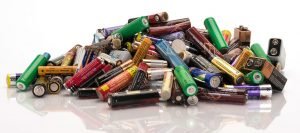
Alkaline/Single-Use Batteries:
Vermont was the first state in the nation to pass a law requiring the recycling of single-use alkaline batteries. The law requires manufacturers of single-use batteries to provide a stewardship plan to manage the proper recycling of batteries sold in Vermont. It establishes convenient recycling options for residents at no cost. Single-use batteries, such as AA, AAA, C, D, and 9-volt, are used in many items such as tools and toys. Recycling household batteries conserves natural resources and lessens environmental impacts from mining and disposal.
Please don’t mix corroded alkaline batteries with non-corroded batteries; these should be bagged separately and given to the scale house attendant.
Rechargeable Batteries:
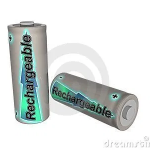
Types: Nickel-Cadmium (Ni-Cd), Nickel-Metal-Hydride (Ni-MH), Lithium-Ion (Li-ion), and others.
Found in cell phones, laptops, and digital cameras/camcorders. Also, batteries are used for cordless tools, scooters & electric bicycles. (see next topic)
Do not store your lithium batteries with your alkaline batteries; please keep them separated as they present a fire hazard. It’s best to tape the ends with clear tape, duct tape, or electrical tape. Never use masking tape to tape a battery.
Button Batteries:
Types: Hearing aids, cameras, flashlights, key fobs, laser pointers, etc. Please store these by themselves in a plastic Ziploc bag. Do not mix with lithium-ion batteries.

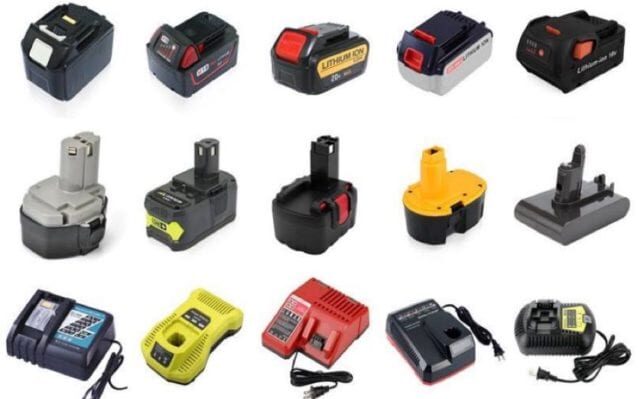
Power Tool Batteries:
Types: Electric tool batteries (drills, drivers, weedwhackers, chainsaws, leaf blowers, hedge trimmers, etc.) Free to drop off for recycling. Please note that the tools themselves are not free, as there is a charge for scrap metal.
Lead-acid batteries:
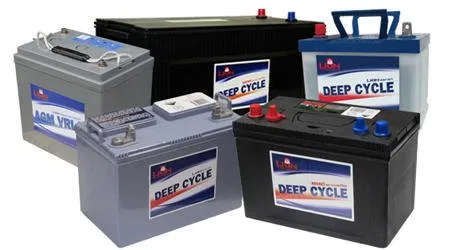
COST: $6 each
Types: Car batteries, motorcycle batteries, marine batteries, and battery backup batteries.
Typically, upon purchase, you’re charged a core charge by the supplier. If you return your battery where you bought your new one, you will get your core charge back. Otherwise, bring it to us and we’ll recycle it for you.
E-Bike Batteries:
*WSWMD is not able to properly recycle e-bike batteries. Please do not bring them to the transfer station.
Follow the link below to find an e-bike dealer that may be able to help you recycle your battery. WSWMD is unable to recycle e-bike batteries.
https://www.peopleforbikes.org/topics/electric-bikes
Electric Vehicle Batteries (EV/Hybrid):
At this point, we ask that you contact your vehicle manufacturer regarding an EV battery.
*WSWMD is not able to properly recycle EV or hybrid batteries.
For other battery collection sites or what to do with higher-wattage batteries, click this link for drop-off by zip code.
Partnership:
We partner with The Battery Network. Click here to find out more about battery guidelines for Vermont.
If you have a battery recycling question that is not covered here, please go here for contact information for the Battery Network. (Our battery recycler)